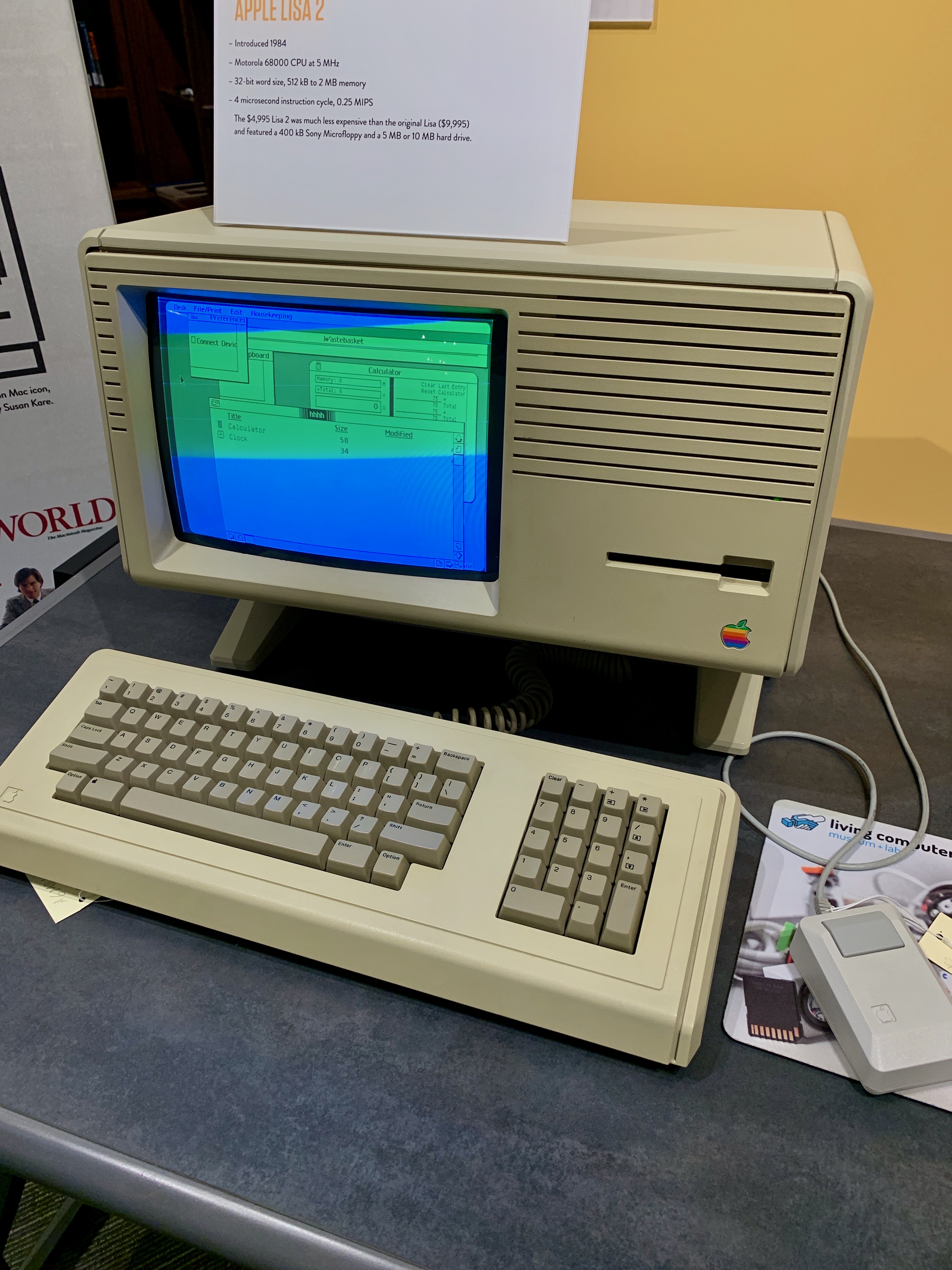
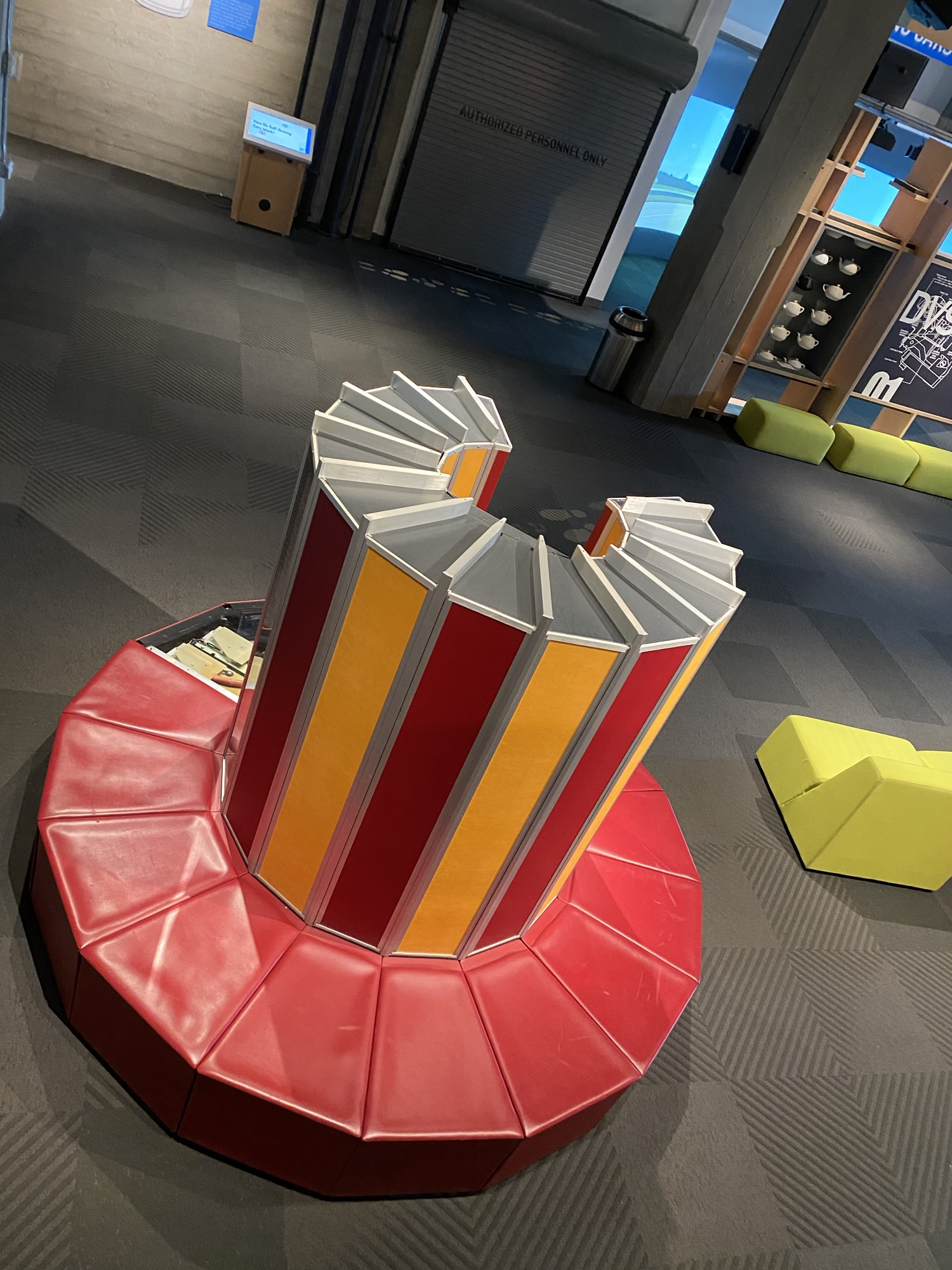
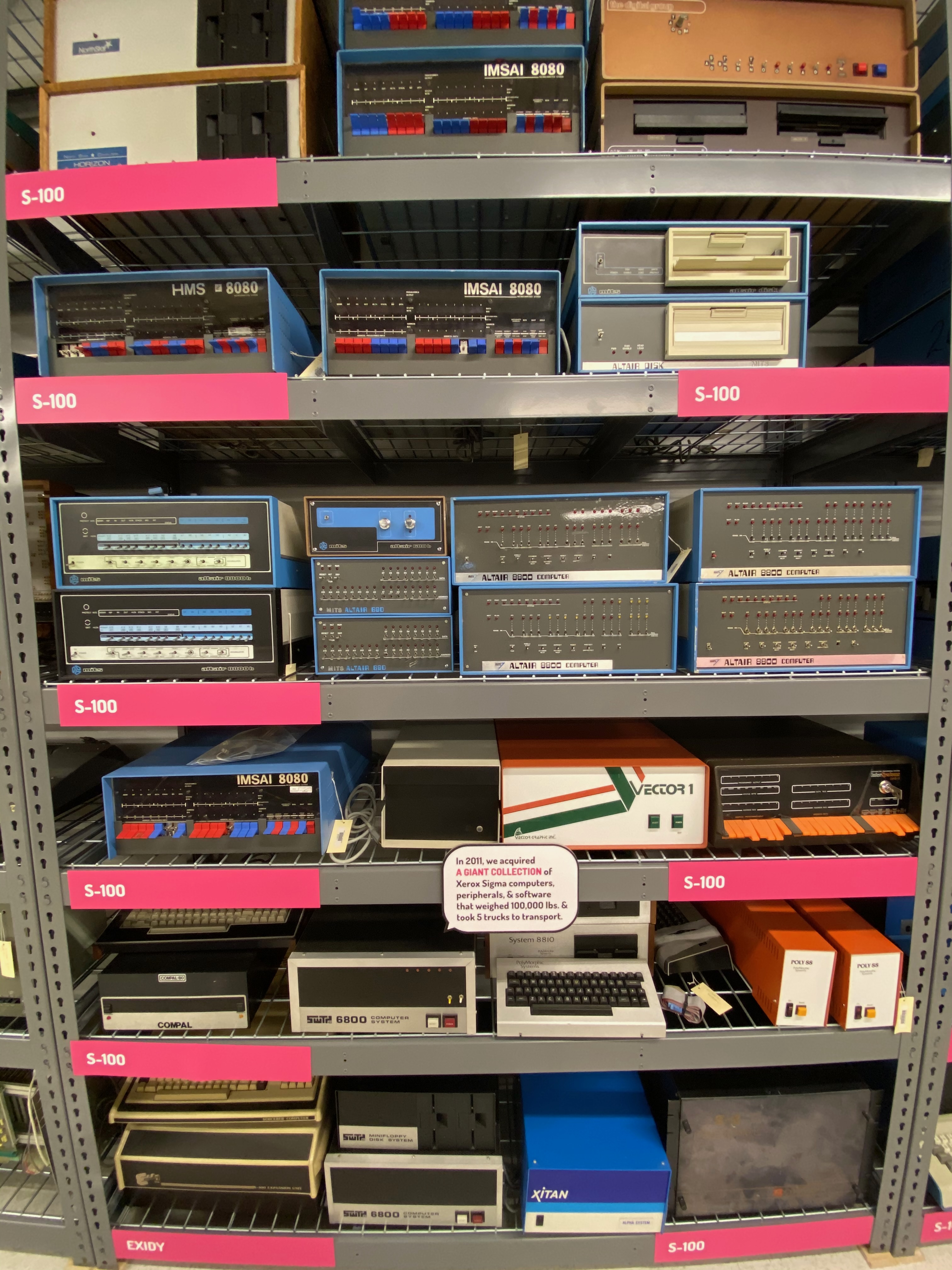
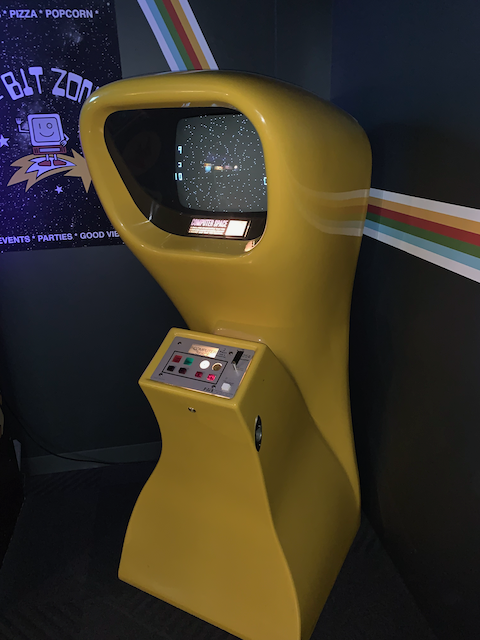
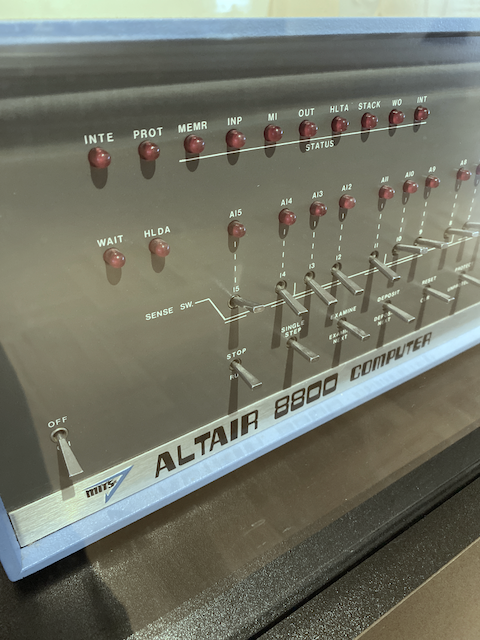
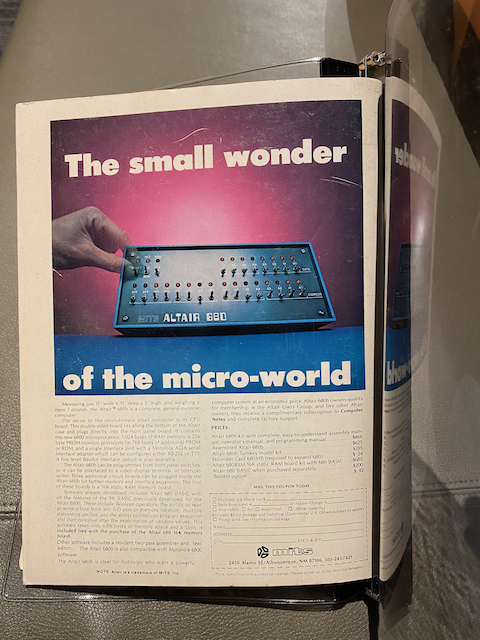
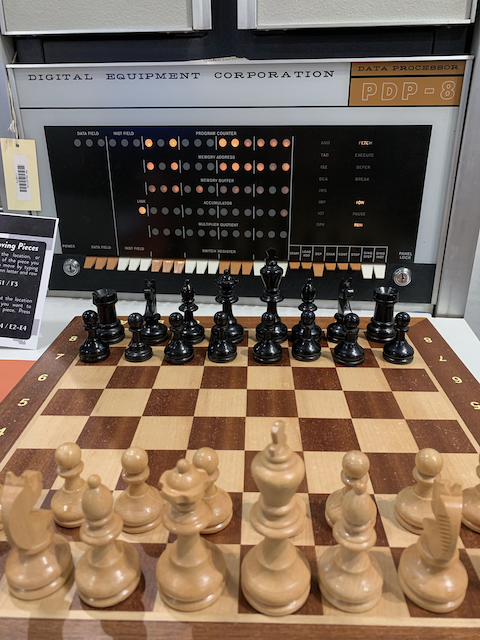
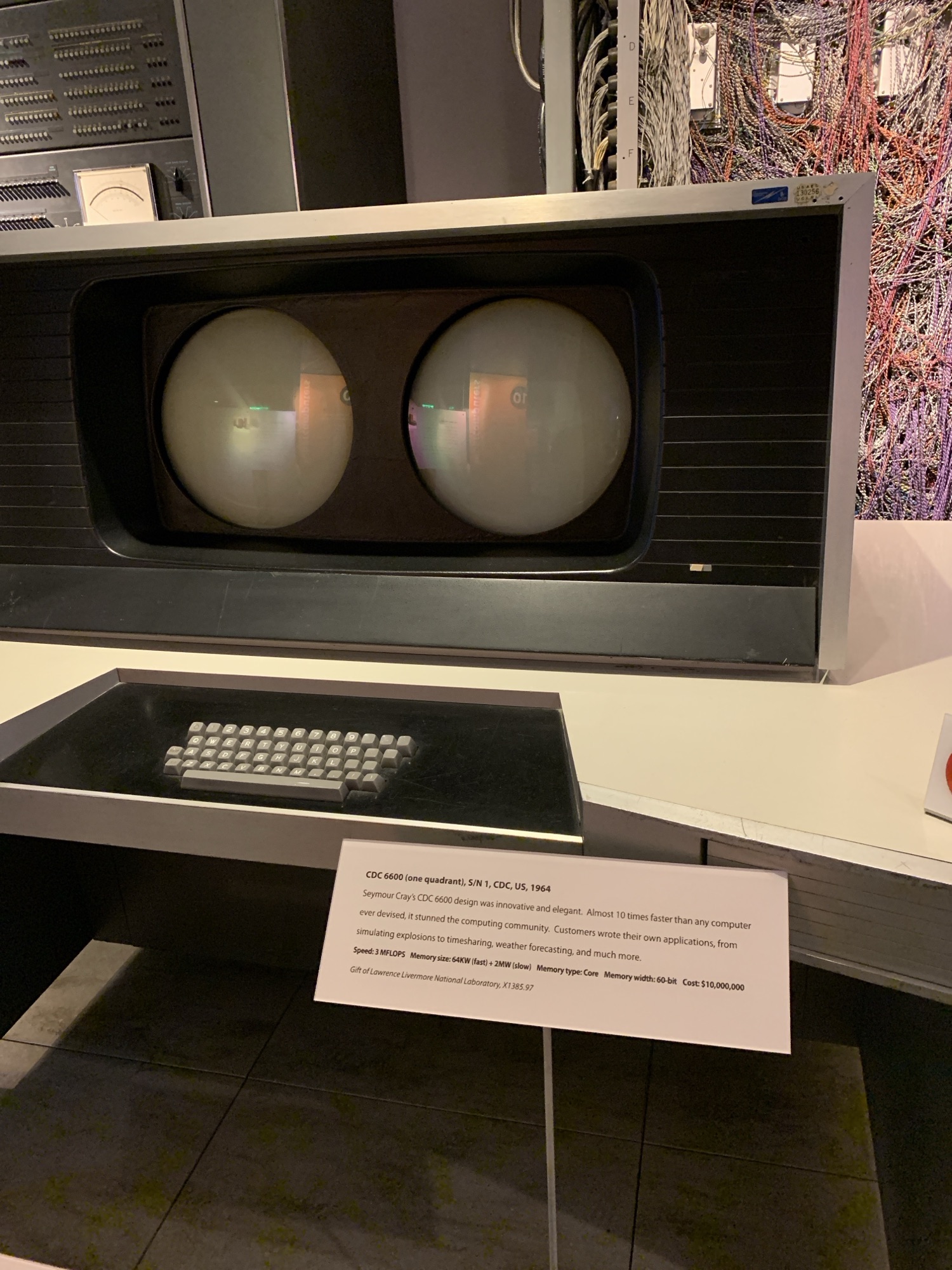
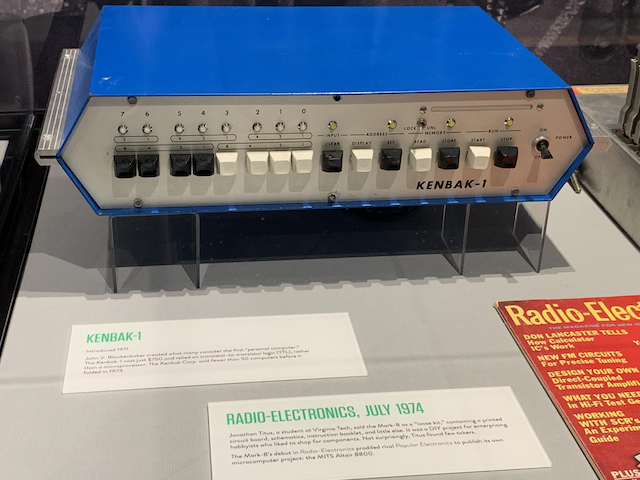
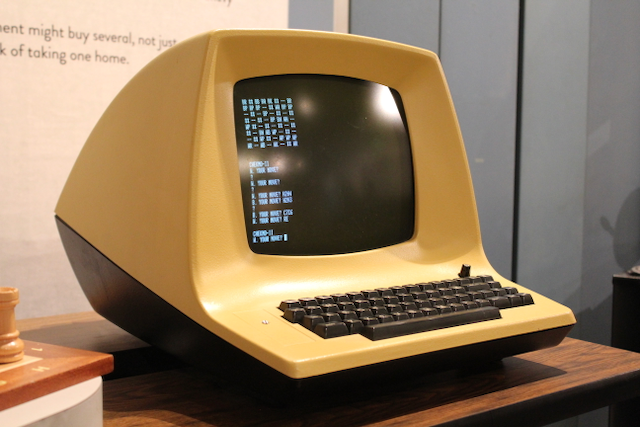
Microcomputers The collection of home computers: you’ll definitely recognize some.Super computer The Cray-1 super computer from the ground floor area.Wonderland The museum store room was a treasure trove of computers.Games Games on computers? Whatever next.Altair 8800 The most important micro computer ever?Magazine Library The museum store room was a treasure trove of computers.Altair 8800 The Cray-1 super computer from the ground floor area.PDP-8 The museum store room was a treasure trove of computers.WebsiteRetro Tech Some pictures of interesting thingsPDP-10 The museum store room was a treasure trove of computers.The CDC 6500 The super computer from 1967.KENBAK-1 The first personal computer from 1977.IO Keyboards, terminals and other I/OStorage Different ways to store data.
From a single computer online, to the world’s largest collection of historic operating computers…
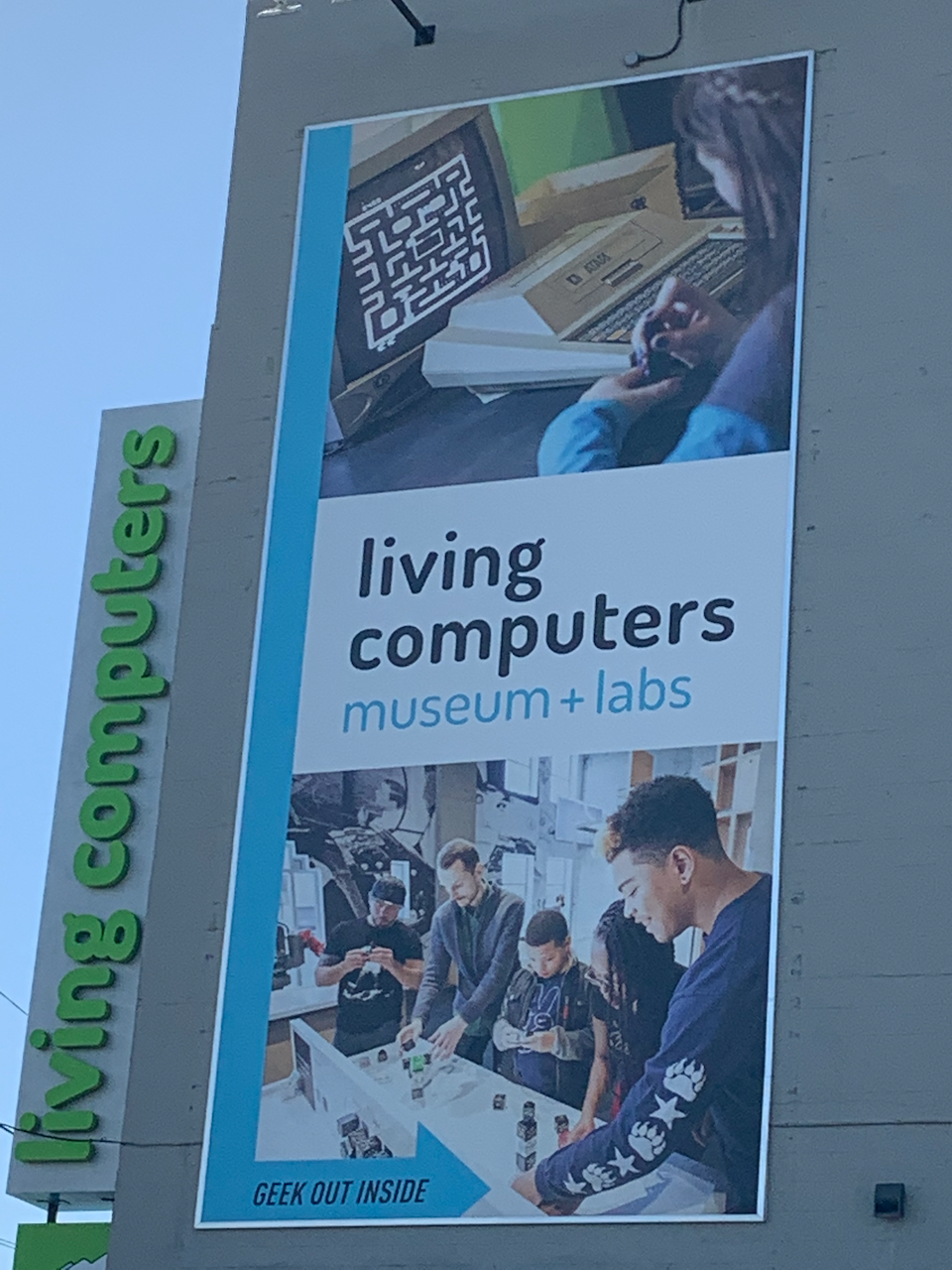
The Living Computers Museum was a gem of the Seattle tech scene. With actual working computers from every era, detailed in-depth tours from the best and most knowledgeable guides, it was the perfect way to spend a Saturday or two visit for a work outing.
Paul Allen’s death in 2018 cast a shadow over the museum, and when COVID stuck, it was quick to close its doors. It was never to re-open.
We house the world’s largest collection of fully-restored–and useable-supercomputers, mainframes, minicomputers and microcomputers.
Our collection of vintage computers, both on exhibit or in storage, includes sets of documentation, technical drawings, software and spare parts.
“It all started with one computer. In 1997 Paul Allen’s company, Vulcan Inc., purchased a TOAD-1 System from XKL Systems Corporation (now XKL LLC), an engineering firm in Redmond, Washington. Mr. Allen was interested in preserving the historically significant software that was created on Digital Equipment Corporation (DEC) PDP-10 family of systems, which came to be known as the DECsystem-10 and DECSYSTEM-20, and made the TOAD-1, a PDP-10 clone, available to the public.
A DECSYSTEM-1090 and DECSYSTEM-2065 from XKL and a large collection of various DEC PDP computers soon followed. In 2006, remote accounts to some of these machines we opened to the public through the PDPPlanet.com website.
After broadening the collection beyond DEC, in 2012 the museum opened its vintage computer collection for the public to see, and use, as the Living Computer Museum. In 2016 the museum expanded with the addition of 1st floor exhibits featuring current technology, as well as three hands-on computer science learning labs. It then took the name Living Computers: Museum + Labs.
LCM+L continues to collect, and bring back to life, historically significant computers and software. Machines are available for use onsite whenever possible, and many can be used remotely.
At Living Computers: Museum + Labs we empower people through the active use of computing technology. Most museums put glass in front of their stuff—we put a chair.
Our philosophy is simple. To understand computing technology, you need to experience that technology firsthand. And the best way to experience a computer is to use it.”



 The Dead Computer Museum